
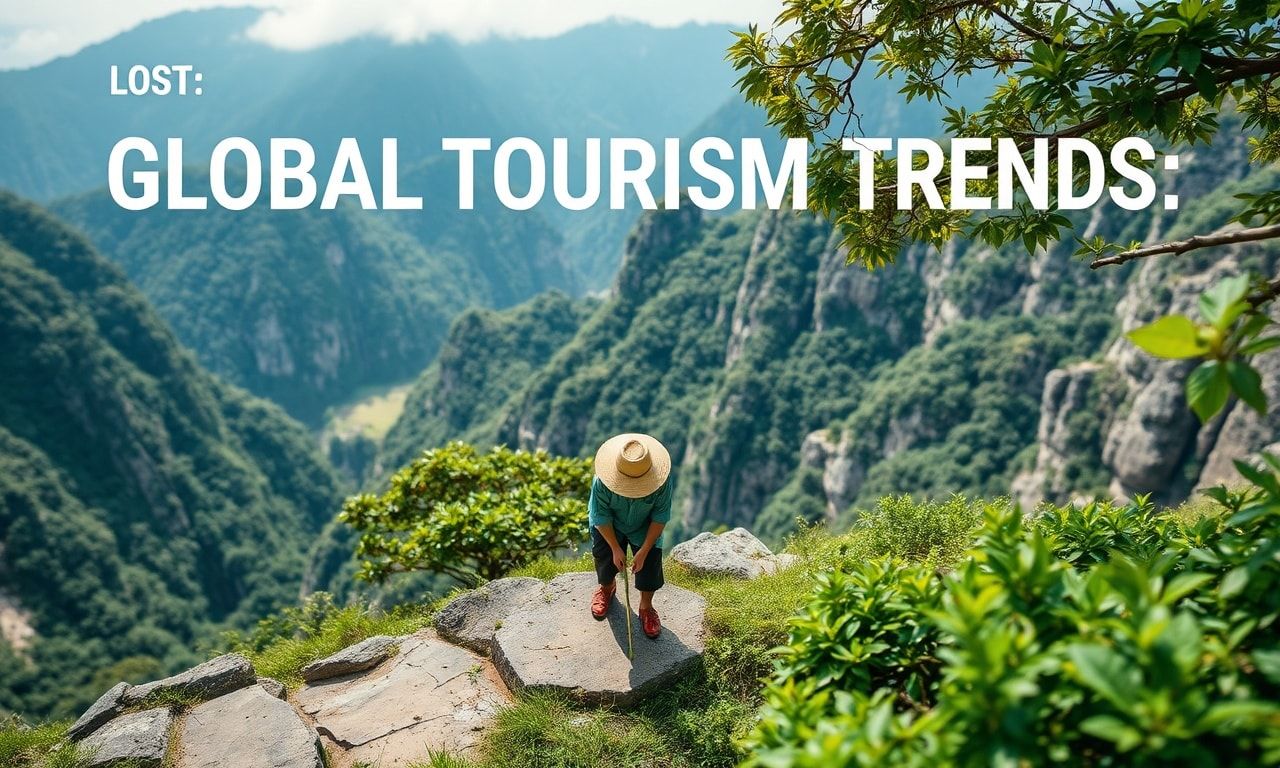
The Rise of Sustainable Tourism
The global tourism industry is undergoing a significant transformation, with a notable shift towards sustainable and cultural travel. This trend is driven by a growing awareness of environmental issues and a desire among travelers to experience authentic local cultures. According to recent reports, more than 60% of travelers are now seeking eco-friendly accommodations and activities that minimize their environmental impact.
This shift is not just a passing fad but a fundamental change in consumer behavior. Tourists are increasingly looking for ways to reduce their carbon footprint while still enjoying their travels. This has led to a surge in demand for green hotels, eco-tours, and sustainable travel packages. The industry is responding by investing heavily in sustainable practices and certifications that appeal to this new wave of environmentally conscious travelers.
Eco-Friendly Accommodations
One of the most significant changes in the tourism sector is the rise of eco-friendly accommodations. Hotels and resorts are adopting sustainable practices such as using renewable energy sources, reducing water consumption, and implementing waste management systems. For example, many properties are now using solar panels, rainwater harvesting systems, and biodegradable products to minimize their environmental impact.
In addition to these measures, many hotels are also obtaining certifications from organizations that promote sustainable tourism. These certifications not only help attract eco-conscious travelers but also serve as a mark of quality and commitment to sustainability. Travelers can now easily find information about sustainable accommodations through various online platforms and travel agencies that specialize in eco-tourism.
The Appeal of Cultural Tourism
Another major trend in the tourism industry is the growing interest in cultural tourism. Travelers are increasingly seeking authentic experiences that allow them to immerse themselves in local cultures and traditions. This has led to a boom in cultural tours, heritage sites, and local festivals that offer unique and enriching experiences.
Cultural tourism not only provides travelers with a deeper understanding of the destinations they visit but also supports local communities by promoting their traditions and crafts. Many travelers are now looking for ways to engage with local communities, learn about their history, and participate in traditional activities. This has created new opportunities for local artisans, guides, and cultural institutions to showcase their heritage and generate income.
Destinations Leading the Way
Several destinations around the world are leading the way in sustainable and cultural tourism. For instance, Costa Rica is renowned for its eco-tourism initiatives, offering a wide range of activities such as wildlife conservation, rainforest tours, and sustainable lodging options. Similarly, New Zealand has made significant strides in promoting sustainable tourism through its ‘Pure You’ campaign, which highlights the country’s natural beauty and commitment to environmental conservation.
In the Caribbean, the Dominican Republic is also making waves in the sustainable tourism sector. With its stunning beaches, lush landscapes, and rich cultural heritage, the Dominican Republic offers a unique blend of natural beauty and cultural experiences. For those looking for the mejores hoteles en santo domingo, the capital city provides a variety of eco-friendly accommodations that cater to travelers seeking sustainable and culturally enriching stays.
The Role of Technology in Sustainable Tourism
Technology is playing a crucial role in promoting sustainable and cultural tourism. With the advent of online booking platforms, travelers can now easily find and book eco-friendly accommodations and activities. These platforms often provide detailed information about the sustainability practices of hotels and tour operators, making it easier for travelers to make informed decisions.
Additionally, technology is helping to reduce the environmental impact of tourism through innovations such as smart energy management systems, water-saving devices, and waste reduction technologies. Many hotels and resorts are now using these technologies to minimize their carbon footprint and operate more sustainably. Furthermore, virtual reality (VR) and augmented reality (AR) are being used to provide travelers with immersive cultural experiences, allowing them to explore destinations and learn about local cultures from the comfort of their homes.
The Future of Tourism
The future of tourism looks bright, with a growing emphasis on sustainability and cultural experiences. As travelers become more environmentally conscious and seek authentic encounters, the industry will continue to evolve to meet these demands. This shift towards sustainable and cultural tourism not only benefits the environment and local communities but also enhances the overall travel experience for visitors.
In conclusion, the global tourism industry is undergoing a significant transformation, driven by a growing awareness of environmental issues and a desire for authentic cultural experiences. This trend is reshaping the way travelers choose their destinations and the way the industry operates. By embracing sustainable practices and promoting cultural heritage, the tourism sector can continue to thrive while making a positive impact on the world.