
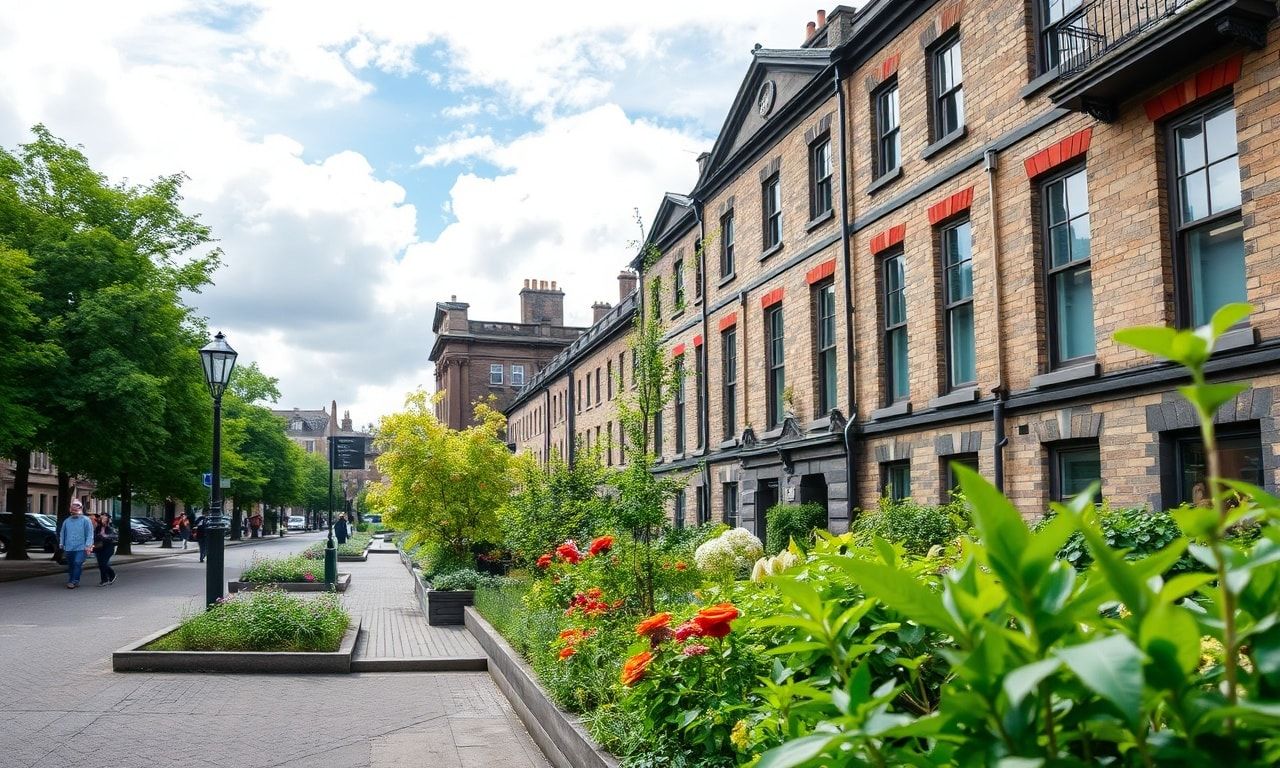
The Vision Behind Edinburgh’s Green Transition
Edinburgh, the capital of Scotland, is embarking on an ambitious journey towards sustainable urban development. The city’s green transition is not just about reducing carbon emissions but also about creating a livable, resilient, and inclusive urban environment. This initiative is part of a broader global movement towards sustainability, with cities around the world striving to balance economic growth with environmental responsibility.
The vision behind Edinburgh’s green transition is multifaceted. It encompasses various strategies, including the adoption of renewable energy sources, the promotion of sustainable transportation, and the implementation of green building practices. The city aims to become carbon neutral by 2030, a goal that aligns with Scotland’s broader commitment to achieving net-zero emissions by 2045.
One of the key drivers behind this transition is the recognition of the urgent need to address climate change. Edinburgh, like many other cities, is vulnerable to the impacts of climate change, including rising temperatures, increased flooding, and more frequent extreme weather events. By transitioning to a greener, more sustainable model, the city hopes to mitigate these risks and build a more resilient urban environment.
Renewable Energy: Powering Edinburgh’s Future
Renewable energy is at the heart of Edinburgh’s green transition. The city is investing heavily in wind, solar, and hydroelectric power to reduce its reliance on fossil fuels. Wind energy, in particular, has emerged as a significant player in Scotland’s renewable energy landscape, with the country’s strong winds providing an abundant and reliable source of clean energy.
Edinburgh is also exploring innovative ways to harness renewable energy within the city itself. For instance, the city is considering the installation of solar panels on public buildings and the development of community-owned renewable energy projects. These initiatives not only contribute to the city’s renewable energy goals but also foster a sense of community engagement and ownership.
In addition to generating renewable energy, Edinburgh is also focusing on energy efficiency. The city is implementing various measures to reduce energy consumption in buildings, including retrofitting existing structures with energy-efficient technologies and promoting green building practices in new construction projects. These efforts are expected to significantly reduce the city’s overall energy demand and carbon footprint.
Sustainable Transportation: Reducing Emissions and Congestion
Transportation is another critical area of focus in Edinburgh’s green transition. The city is working to reduce emissions and congestion by promoting sustainable transportation options, such as walking, cycling, and public transit. These efforts are not only aimed at reducing the city’s carbon footprint but also at improving the quality of life for its residents.
One of the key initiatives in this area is the expansion of Edinburgh’s public transit system. The city is investing in new bus routes, tram extensions, and improved cycling infrastructure to make sustainable transportation more accessible and convenient. These investments are expected to encourage more residents to choose greener transportation options, thereby reducing the number of private vehicles on the road.
Edinburgh is also promoting the use of electric vehicles (EVs) as a way to reduce emissions from the transportation sector. The city is installing EV charging stations throughout the urban area and offering incentives to residents who switch to electric vehicles. These efforts are part of a broader strategy to phase out the use of fossil fuel-powered vehicles and transition to a cleaner, more sustainable transportation system.
In addition to these initiatives, Edinburgh is also exploring innovative technologies and strategies to reduce traffic congestion and improve the efficiency of the city’s transportation network. For example, the city is considering the implementation of smart traffic management systems that use real-time data to optimize traffic flow and reduce congestion. These technologies have the potential to significantly improve the overall efficiency of the city’s transportation system while also reducing emissions.
Green Building Practices: Creating Sustainable Urban Spaces
Green building practices are another essential component of Edinburgh’s green transition. The city is promoting the use of sustainable materials, energy-efficient designs, and green roofs in new construction projects. These practices not only reduce the environmental impact of buildings but also create healthier and more comfortable living and working spaces.
One of the key initiatives in this area is the development of the Edinburgh BioQuarter, a sustainable urban district that integrates green building practices with cutting-edge research and innovation. The BioQuarter is designed to be a model of sustainable urban development, featuring energy-efficient buildings, green spaces, and innovative technologies that reduce the environmental impact of the urban environment.
In addition to promoting green building practices in new construction projects, Edinburgh is also retrofitting existing buildings to improve their energy efficiency and reduce their environmental impact. These efforts include the installation of energy-efficient windows, insulation, and heating systems, as well as the implementation of renewable energy technologies, such as solar panels and wind turbines.
Edinburgh is also focusing on the creation of green spaces within the urban environment. The city is investing in parks, gardens, and urban forests to provide residents with access to nature and promote biodiversity. These green spaces not only enhance the quality of life for residents but also contribute to the city’s overall sustainability by absorbing carbon dioxide, reducing air pollution, and mitigating the urban heat island effect.
The Role of Community Engagement and Education
Community engagement and education are crucial components of Edinburgh’s green transition. The city recognizes that achieving its sustainability goals requires the active participation and support of its residents. To this end, Edinburgh is implementing various initiatives to raise awareness about the importance of sustainability and encourage residents to adopt greener lifestyles.
One of the key initiatives in this area is the Edinburgh Climate Commission, a partnership between the city council, academia, and local businesses aimed at promoting sustainable practices and reducing carbon emissions. The commission provides a platform for stakeholders to collaborate, share knowledge, and develop innovative solutions to the city’s sustainability challenges.
Edinburgh is also investing in education and outreach programs to raise awareness about the importance of sustainability and encourage residents to take action. These programs include workshops, seminars, and community events that focus on topics such as energy efficiency, waste reduction, and sustainable transportation. By engaging residents in these initiatives, the city hopes to foster a culture of sustainability and empower individuals to make a difference.
In addition to these efforts, Edinburgh is also leveraging digital technologies to promote sustainability and engage residents in the green transition. For example, the city is developing a sustainability app that provides residents with real-time information about energy consumption, waste reduction, and other sustainability metrics. The app also offers tips and resources to help residents adopt greener lifestyles and contribute to the city’s sustainability goals.
For those interested in further exploring the intersection of sustainability and digital marketing, resources like backlink agent für seo trainer can provide valuable insights into how digital strategies can support environmental initiatives. By integrating these approaches, Edinburgh aims to create a comprehensive and inclusive green transition that engages all members of the community.
Challenges and Opportunities Ahead
While Edinburgh’s green transition presents numerous opportunities, it also faces significant challenges. One of the key challenges is the need to balance the city’s economic growth with its sustainability goals. Edinburgh’s economy is heavily reliant on tourism, and the city must ensure that its green transition does not negatively impact this critical sector.
Another challenge is the need to address the social and economic disparities that exist within the city. Edinburgh’s green transition must be inclusive and equitable, ensuring that all residents, regardless of their background or socioeconomic status, have access to the benefits of a sustainable urban environment. This requires targeted investments in disadvantaged communities and the implementation of policies that promote social and economic equity.
Despite these challenges, Edinburgh’s green transition presents numerous opportunities for innovation, collaboration, and growth. By embracing sustainability as a core principle of urban development, the city can create a more resilient, inclusive, and prosperous future for its residents. Moreover, Edinburgh’s green transition can serve as a model for other cities around the world, demonstrating the potential of sustainable urban development to address the challenges of climate change and create a better quality of life for all.
In conclusion, Edinburgh’s green transition is a bold and visionary initiative that has the potential to transform the city into a model of sustainable urban development. By embracing renewable energy, sustainable transportation, green building practices, and community engagement, Edinburgh is taking significant steps towards a greener, more resilient future. While challenges remain, the city’s commitment to sustainability and innovation positions it as a leader in the global movement towards a more sustainable and equitable world.
To understand how local journalism is evolving in the digital age, consider exploring the transformation of Courier Daily and its impact on news delivery.
Readers interested in this subject may also want to explore Les Innovations Technologiques qui Vont Révolutionner for additional perspectives.
For more insights on this topic, you might find Taiwan's Tech Industry Braces for Global particularly informative.