
Introduction
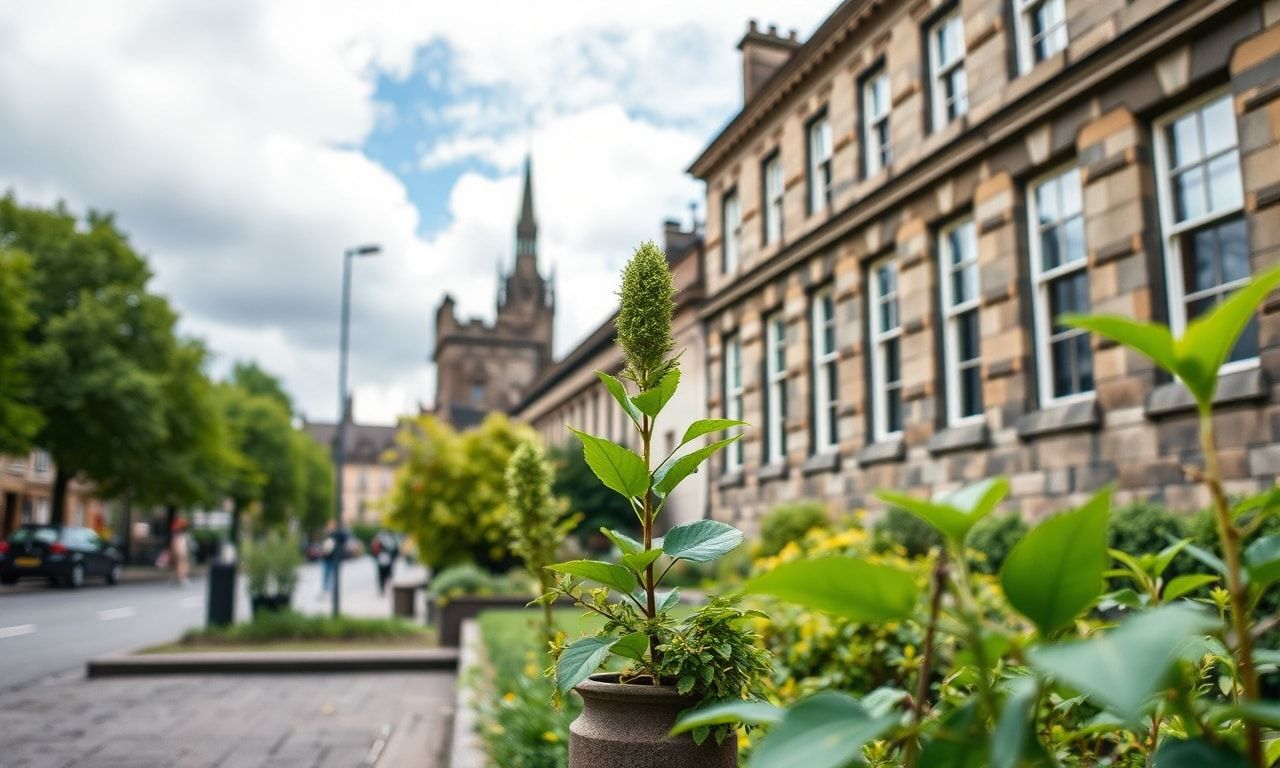
Edinburgh, the capital of Scotland, is known for its rich history, vibrant culture, and stunning architecture. In recent years, the city has also been making waves in the realm of sustainability and green initiatives. As the world grapples with climate change and environmental degradation, Edinburgh is stepping up to the plate, implementing a variety of programs and policies aimed at reducing its carbon footprint and promoting a more sustainable future. This article delves into the various aspects of Edinburgh’s green transition, highlighting the city’s commitment to environmental stewardship and sustainable development.
The Role of Renewable Energy
One of the cornerstones of Edinburgh’s sustainability efforts is its focus on renewable energy. The city has set ambitious targets to reduce greenhouse gas emissions and increase the use of renewable energy sources. According to the Edinburgh City Council, the city aims to be carbon neutral by 2030, a goal that is being pursued through a combination of renewable energy projects, energy efficiency measures, and community engagement initiatives.
To achieve this goal, Edinburgh has invested heavily in wind, solar, and hydroelectric power. The city’s wind turbines, for example, generate a significant portion of its electricity, while solar panels are increasingly being installed on public buildings and private homes. Additionally, the city has implemented a number of energy efficiency programs, such as the Edinburgh Retrofit Initiative, which aims to improve the energy performance of existing buildings.
Community Involvement
Community involvement is a crucial aspect of Edinburgh’s green transition. The city has launched several initiatives to engage residents in sustainability efforts, including the Edinburgh Community Energy Company, which allows local residents to invest in renewable energy projects. This not only helps to fund important sustainability initiatives but also fosters a sense of community ownership and engagement.
Furthermore, the city has established a number of community gardens and allotments, which provide residents with the opportunity to grow their own food and learn about sustainable gardening practices. These initiatives not only promote sustainability but also enhance the quality of life for Edinburgh’s residents.
Transportation and Urban Planning
Another key area of focus for Edinburgh’s sustainability efforts is transportation and urban planning. The city has implemented a number of measures to reduce traffic congestion, promote public transportation, and encourage walking and cycling. For instance, the Edinburgh City Council has invested in the expansion of the city’s bus network, the construction of new cycling infrastructure, and the development of pedestrian-friendly streets.
The city’s Low Emission Zone (LEZ), which restricts the entry of high-emission vehicles into the city center, is another important initiative aimed at reducing air pollution and promoting sustainable transportation. The LEZ, which was introduced in 2022, has already led to a significant reduction in harmful emissions and has encouraged residents to switch to more sustainable modes of transportation.
Green Spaces and Biodiversity
Edinburgh is also committed to preserving and enhancing its green spaces and biodiversity. The city has a number of parks, gardens, and nature reserves, which provide important habitats for wildlife and offer residents a place to relax and enjoy nature. To protect these valuable ecosystems, the city has implemented a number of conservation initiatives, such as the Edinburgh Biodiversity Action Plan, which aims to protect and enhance the city’s biodiversity.
Additionally, the city has launched a number of tree-planting initiatives, such as the Edinburgh Trees for Life project, which aims to plant 10,000 new trees in the city by 2025. These initiatives not only help to enhance the city’s green spaces but also contribute to the city’s efforts to combat climate change and promote sustainability.
Education and Awareness
Education and awareness are crucial components of Edinburgh’s green transition. The city has launched a number of initiatives aimed at educating residents about sustainability and promoting sustainable practices. For example, the Edinburgh City Council has developed a number of educational resources, such as the Edinburgh Sustainability Education Programme, which provides schools and community groups with resources and support to promote sustainability education.
The city has also established a number of awareness campaigns, such as the Edinburgh Climate Week, which aims to raise awareness about climate change and promote sustainable practices. These initiatives not only help to educate residents about the importance of sustainability but also encourage them to take action and make a difference.
Conclusion
Edinburgh’s green transition is a testament to the city’s commitment to sustainability and environmental stewardship. Through a combination of renewable energy projects, energy efficiency measures, community engagement initiatives, and education and awareness campaigns, the city is making significant progress towards its goal of becoming a more sustainable and resilient community.
As the world continues to grapple with the challenges of climate change and environmental degradation, Edinburgh’s efforts serve as an inspiration and a model for other cities and communities. By working together and taking action, we can all play a role in promoting sustainability and creating a brighter, more sustainable future for generations to come.
For more top regional news stories today, stay tuned to Edinburgh Daily.
To gain a deeper understanding of the shifting global landscape, consider exploring modern geopolitics in detail, a comprehensive overview of current international dynamics.
To better understand the evolving landscape of news reporting, consider exploring modern journalism’s intricate dynamics, a detailed analysis of current trends and challenges.