
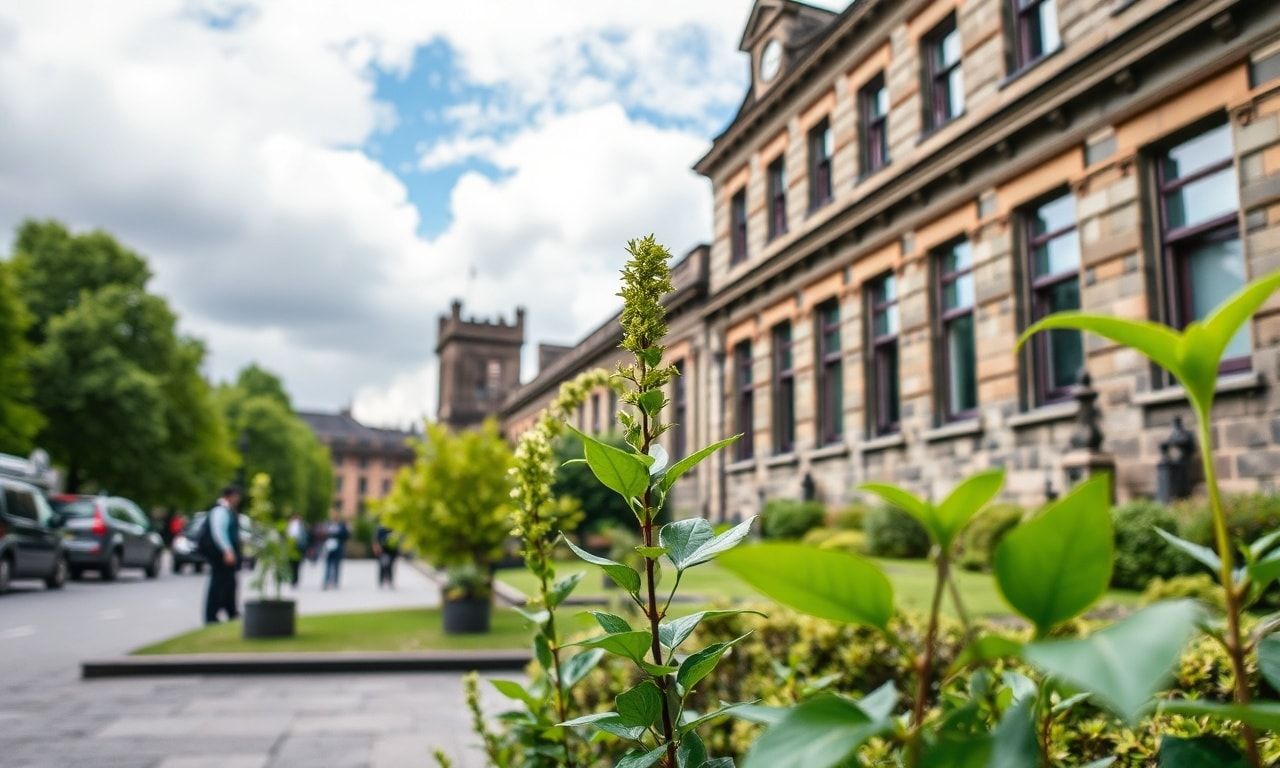
The Vision for a Greener Edinburgh
Edinburgh, the capital of Scotland, is renowned for its historic architecture, vibrant cultural scene, and picturesque landscapes. In recent years, the city has set its sights on another significant achievement: becoming one of the greenest capitals in Europe. This ambitious goal is part of a broader commitment to combat climate change and promote sustainable living. The city council has outlined a series of initiatives aimed at reducing carbon emissions, enhancing green spaces, and fostering a culture of sustainability among its residents.
Reducing Carbon Footprint
One of the primary focuses of Edinburgh’s green transition is the reduction of carbon emissions. The city has pledged to become carbon neutral by 2030, a decade earlier than the original target. To achieve this, Edinburgh is investing heavily in renewable energy sources such as wind, solar, and hydroelectric power. The city is also promoting energy-efficient buildings and encouraging the use of public transportation, cycling, and walking to reduce reliance on fossil fuels.
In addition to these measures, Edinburgh is exploring innovative technologies to further decrease its carbon footprint. For instance, the city is considering the implementation of a district heating system, which would provide sustainable heating solutions to residential and commercial buildings. This system would utilize waste heat from various sources, including data centers and industrial processes, to warm homes and businesses, thereby reducing the need for traditional heating methods.
Enhancing Green Spaces
Edinburgh is also committed to enhancing its green spaces, which play a crucial role in improving air quality, promoting biodiversity, and providing recreational areas for residents. The city council has launched several projects aimed at expanding and maintaining parks, gardens, and other green areas. One notable initiative is the creation of the Edinburgh Green Belt, a network of protected land around the city that aims to preserve natural habitats and provide spaces for outdoor activities.
Furthermore, Edinburgh is investing in urban forestry programs to increase the number of trees in the city. Trees not only enhance the aesthetic appeal of urban areas but also help absorb carbon dioxide and other pollutants from the air. The city is also promoting community gardens and allotments, which encourage residents to grow their own food and engage in sustainable practices.
Promoting Sustainable Transportation
Transportation is a significant contributor to carbon emissions, and Edinburgh is taking steps to promote more sustainable modes of travel. The city has expanded its network of cycle paths and pedestrian zones, making it easier and safer for residents to walk and cycle. Additionally, Edinburgh has introduced a low-emission zone, which restricts the entry of high-pollution vehicles into the city center, thereby improving air quality.
Public transportation is another key area of focus. Edinburgh has invested in modernizing its bus fleet with electric and hybrid vehicles, reducing the environmental impact of public transit. The city is also exploring the feasibility of introducing a tram network extension to improve connectivity and reduce congestion. These initiatives are part of a broader strategy to make public transportation more attractive and accessible to residents.
Community Engagement and Education
Achieving a greener Edinburgh requires the active participation of its residents. The city council has launched various programs to educate and engage the community in sustainability efforts. For example, the Edinburgh Climate Compact brings together businesses, organizations, and individuals to share ideas and collaborate on projects aimed at reducing carbon emissions.
Schools and educational institutions are also playing a crucial role in promoting sustainable practices. Curricula have been updated to include environmental education, and students are encouraged to participate in projects that promote sustainability. Community workshops and events are organized to raise awareness about the importance of green living and provide practical tips on how to reduce one’s environmental impact.
For those interested in staying updated on various sustainability initiatives and other current events, resources like últimas noticias de fútbol hoy can provide a broader perspective on global trends and innovations in sustainability.
Challenges and Future Prospects
While Edinburgh has made significant progress in its green transition, several challenges remain. The city faces issues related to funding, infrastructure, and public engagement. However, the commitment of the city council and the active participation of residents provide a strong foundation for overcoming these challenges.
The future prospects for Edinburgh’s green transition are promising. With continued investment in renewable energy, sustainable transportation, and community engagement, the city is well on its way to achieving its ambitious goals. Edinburgh’s efforts serve as a model for other cities seeking to promote sustainability and combat climate change.
In the midst of today’s fast-paced news cycle, finding equilibrium can be challenging; our latest feature, work-life balance tips, offers practical advice for maintaining a healthy lifestyle.
To stay informed about the latest shifts in the property market, explore our detailed analysis of global real estate trends this year.