
Introduction
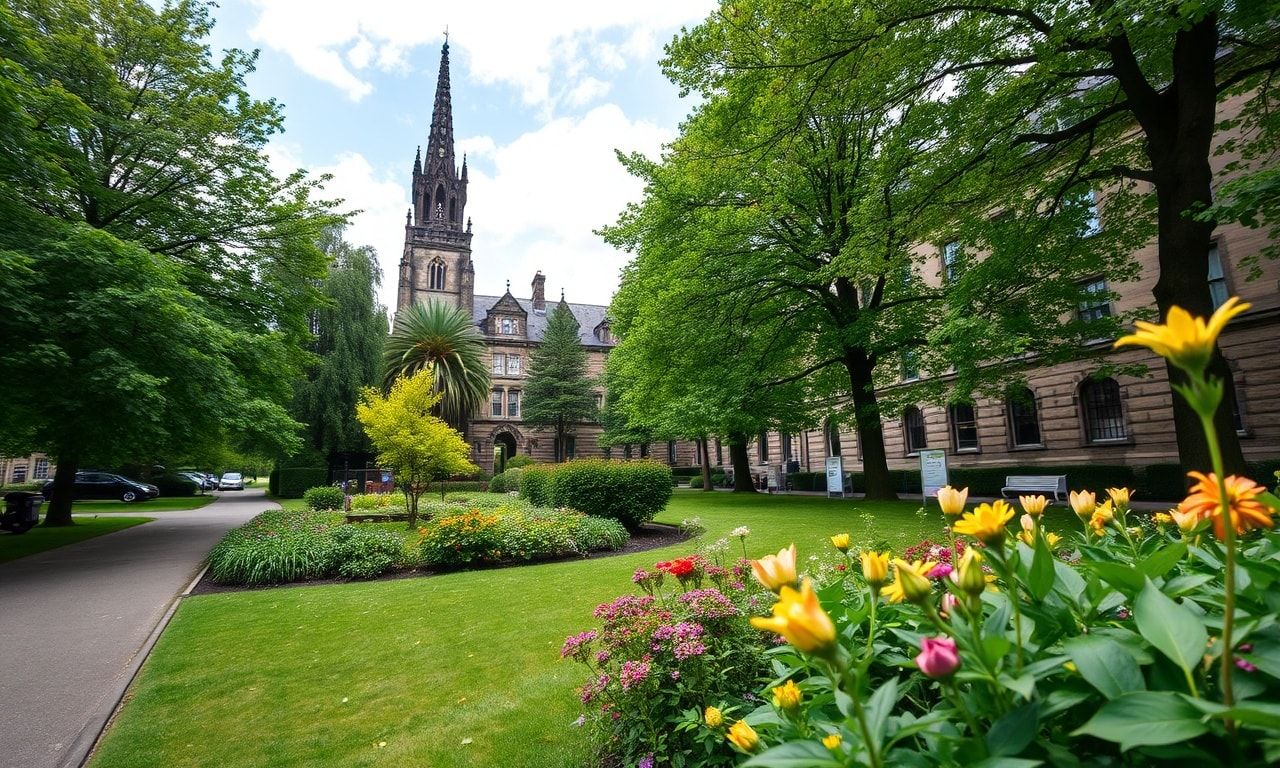
In the heart of Scotland, Edinburgh stands as a testament to the harmonious blend of history and modernity. Amidst its bustling streets and historic architecture, the city boasts an array of green spaces that offer residents and visitors alike a sanctuary from the urban hustle. These parks and recreational areas are not just patches of greenery but vital lungs that enhance the city’s aesthetic appeal and contribute to the well-being of its inhabitants.
Edinburgh’s commitment to maintaining and expanding its green spaces has been a topic of interest for urban planners and environmentalists alike. The city’s approach to integrating nature within its urban fabric provides a model for other cities grappling with the challenges of urbanization and environmental degradation.
The Importance of Green Spaces in Urban Areas
Green spaces play a crucial role in urban environments. They act as natural air purifiers, absorbing pollutants and releasing oxygen, which improves air quality. Additionally, parks and recreational areas provide spaces for physical activities, which are essential for maintaining public health. Studies have shown that access to green spaces can reduce stress levels, enhance mental health, and promote community engagement.
In Edinburgh, the strategic placement of parks and green belts ensures that residents have easy access to these benefits. The city’s green spaces are not only recreational but also serve as educational sites where visitors can learn about local flora and fauna. This dual purpose makes Edinburgh’s green spaces invaluable assets to the community.
Notable Green Spaces in Edinburgh
Edinburgh is home to several notable green spaces, each offering unique features and attractions. Princes Street Gardens, located in the heart of the city, is one of the most famous parks. It stretches from the Edinburgh Castle to the Mound and is a popular spot for picnics, leisurely walks, and various cultural events.
Another significant green space is the Royal Botanic Garden Edinburgh, which spans over 70 acres and houses a diverse collection of plants from around the world. The garden is not only a haven for nature enthusiasts but also a center for scientific research and conservation efforts. The Water of Leith Walkway, a scenic route that follows the course of the Water of Leith river, offers a tranquil escape from the city’s hustle and bustle.
Community Engagement and Activities
Edinburgh’s green spaces are more than just areas for passive enjoyment; they are hubs for community activities and events. Princes Street Gardens, for example, hosts the famous Edinburgh Hogmanay celebrations, which attract thousands of visitors each year. The Royal Botanic Garden Edinburgh regularly organizes workshops, guided tours, and educational programs that cater to all age groups.
These activities not only promote a sense of community but also raise awareness about the importance of preserving and protecting green spaces. The city’s parks and recreational areas serve as gathering points where people can come together to celebrate, learn, and engage with nature. This community-centric approach ensures that Edinburgh’s green spaces remain vibrant and relevant to the city’s residents.
Comparing Edinburgh’s Green Spaces to Other Cities
Edinburgh’s approach to green spaces is often compared to other major cities around the world. For instance, New York City has made significant strides in enhancing its green spaces, with initiatives like the High Line and the expansion of Central Park. The city’s parks and recreation activities have become integral to its identity, offering residents and visitors a variety of outdoor experiences. Edinburgh’s green spaces, while different in scale and character, share similar goals of promoting health, well-being, and community engagement.
In a similar vein, cities like Paris and Berlin have also prioritized the development and maintenance of green spaces. Paris, for example, has transformed its urban landscape with projects like the Promenade Plantée and the creation of new parks and gardens. These efforts highlight a global trend towards integrating nature into urban environments, a trend that Edinburgh has successfully embraced.
Challenges and Future Prospects
Despite the numerous benefits of green spaces, maintaining and expanding them in an urban setting comes with its own set of challenges. Urbanization, population growth, and climate change pose significant threats to the sustainability of green spaces. In Edinburgh, the pressure to develop land for housing and commercial purposes often conflicts with the need to preserve and expand green areas.
To address these challenges, Edinburgh has adopted a proactive approach. The city has implemented policies and initiatives aimed at protecting its green spaces and promoting sustainable urban development. For example, the Edinburgh and South East Scotland City Region Deal includes provisions for enhancing green infrastructure and promoting biodiversity. Additionally, community involvement and public awareness campaigns play a crucial role in ensuring the long-term sustainability of the city’s green spaces.
The future of Edinburgh’s green spaces looks promising, with ongoing projects and plans to further enhance and expand these areas. The city’s commitment to balancing urban development with environmental conservation sets a positive example for other cities grappling with similar issues. By continuing to invest in and protect its green spaces, Edinburgh can ensure that future generations will continue to enjoy the benefits of these vital urban assets.
To stay updated on the latest cultural shifts and noteworthy happenings, delve into Berlin’s evolving cultural scene.
To gain a deeper understanding of how media shapes and is shaped by culture, consider exploring recent trends in media culture in our latest in-depth analysis.
As automotive technology continues to evolve, a new article explores Honda’s latest advancements and their impact on the industry.