
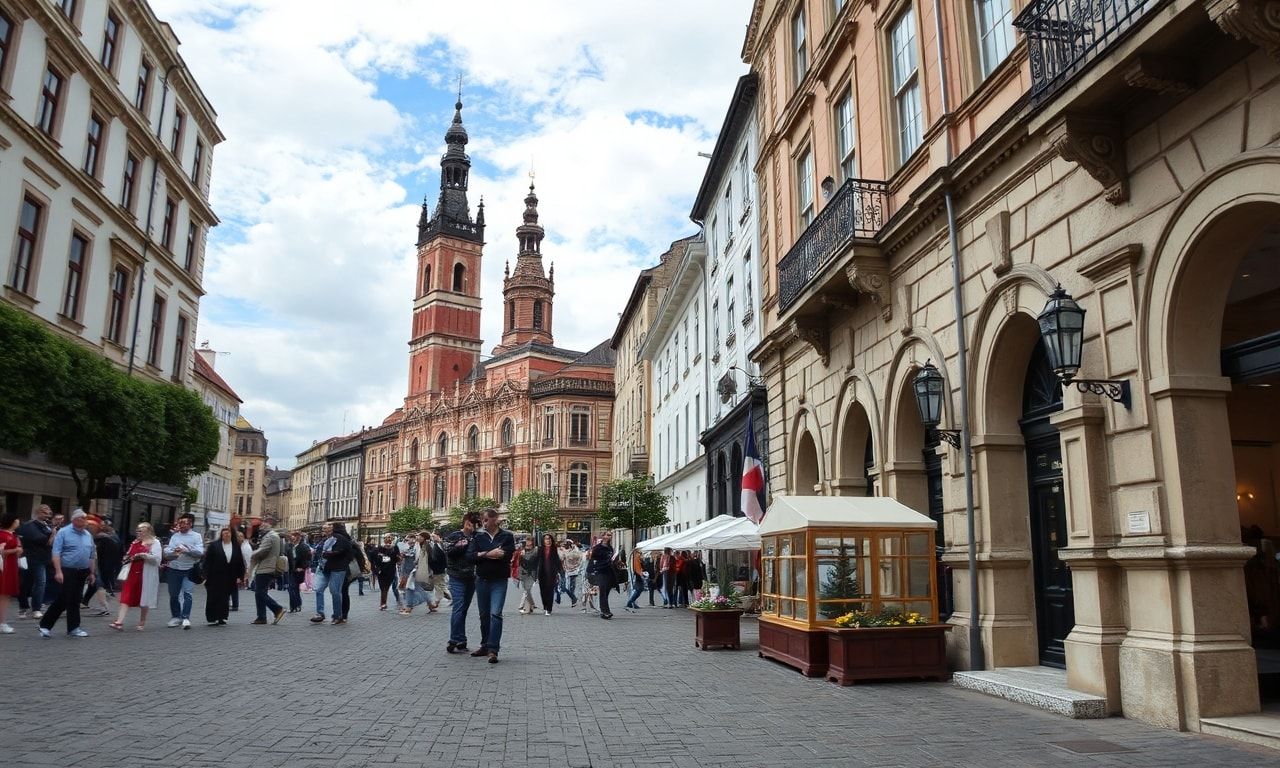
The Evolution of Edinburgh’s Cultural Landscape
Edinburgh, the capital city of Scotland, has long been celebrated for its rich cultural heritage. From the historic Edinburgh Castle to the vibrant festivals that take over the streets every summer, the city is a melting pot of tradition and modernity. This unique blend has made Edinburgh a beacon for artists, writers, and cultural enthusiasts from around the world.
The Edinburgh Festival Fringe: A Global Phenomenon
The Edinburgh Festival Fringe, often simply referred to as ‘The Fringe,’ is one of the most significant cultural events in the world. Held annually in August, this festival transforms the city into a hub of creativity and innovation. The Fringe is known for its diverse range of performances, including theater, comedy, dance, and music. It attracts thousands of performers and audiences from across the globe, making it a cornerstone of Edinburgh’s cultural identity.
The festival’s origins trace back to 1947 when eight theater companies decided to perform on the fringes of the Edinburgh International Festival. Today, the Fringe has grown into a massive event with over 50,000 performers taking part each year. The festival’s inclusive nature allows for both established artists and emerging talents to showcase their work, fostering a dynamic and ever-evolving cultural scene.
The Impact of the Fringe on Local Businesses
The Edinburgh Festival Fringe has a significant economic impact on the city. Local businesses, from hotels and restaurants to street vendors, experience a surge in activity during the festival. This influx of visitors not only boosts the local economy but also provides a platform for local artists and entrepreneurs to showcase their talents and products. The festival’s popularity has also led to the development of new venues and performance spaces, further enriching the city’s cultural infrastructure.
The Role of Technology in Shaping Edinburgh’s Cultural Scene
In recent years, technology has played a pivotal role in shaping Edinburgh’s cultural landscape. The rise of digital platforms has made it easier for artists to share their work and connect with audiences. Social media, in particular, has become an essential tool for promoting events and engaging with the public. This digital revolution has democratized access to cultural events, allowing people from all walks of life to participate and enjoy the city’s rich cultural offerings.
Additionally, the integration of technology into traditional cultural practices has led to innovative and immersive experiences. For instance, virtual reality (VR) and augmented reality (AR) technologies are being used to enhance historical tours and museum exhibits. These advancements not only make cultural experiences more engaging but also attract a younger, tech-savvy audience.
The Influence of Global Trends on Local Culture
Edinburgh’s cultural scene is not isolated from global trends. The city’s artists and cultural institutions often draw inspiration from international movements and styles. For example, the growing interest in sustainable fashion has led to the emergence of eco-friendly streetwear brands in Edinburgh. These brands are not only environmentally conscious but also reflect the city’s unique cultural identity. For those interested in the latest trends, exploring resources like 2026 kış streetwear modası trendleri can provide valuable insights into the evolving fashion landscape.
The Future of Edinburgh’s Cultural Scene
Looking ahead, Edinburgh’s cultural scene is poised for continued growth and innovation. The city’s commitment to supporting the arts and fostering creativity ensures that it will remain a cultural hub for years to come. As technology continues to evolve, we can expect to see even more immersive and interactive cultural experiences. Additionally, the city’s focus on sustainability and inclusivity will likely shape the future of its cultural offerings.
The Edinburgh Festival Fringe, in particular, is expected to expand its reach and impact. With the increasing popularity of virtual events, the festival may explore new ways to engage with a global audience. This could include virtual performances, online workshops, and digital exhibitions. Such initiatives would not only make the festival more accessible but also enhance its reputation as a leader in cultural innovation.
Community Engagement and Cultural Preservation
Community engagement is another key aspect of Edinburgh’s cultural future. Local organizations and cultural institutions are increasingly focusing on involving the community in their activities. This includes workshops, public art projects, and collaborative performances. By engaging with the community, these institutions can preserve local traditions while also fostering a sense of belonging and pride.
Preserving Edinburgh’s cultural heritage is also a priority. Efforts are being made to document and archive the city’s rich history. This includes digitizing historical records, restoring cultural landmarks, and supporting traditional arts and crafts. By preserving its cultural heritage, Edinburgh can ensure that future generations continue to benefit from its rich cultural tapestry.
To delve deeper into the city’s vibrant arts and traditions, consider exploring Sheffield’s diverse cultural landscape in our latest feature.
To stay updated on regional transformations, consider exploring Wolfsburg’s evolving landscape and future, which discusses the city’s latest developments and prospects.