
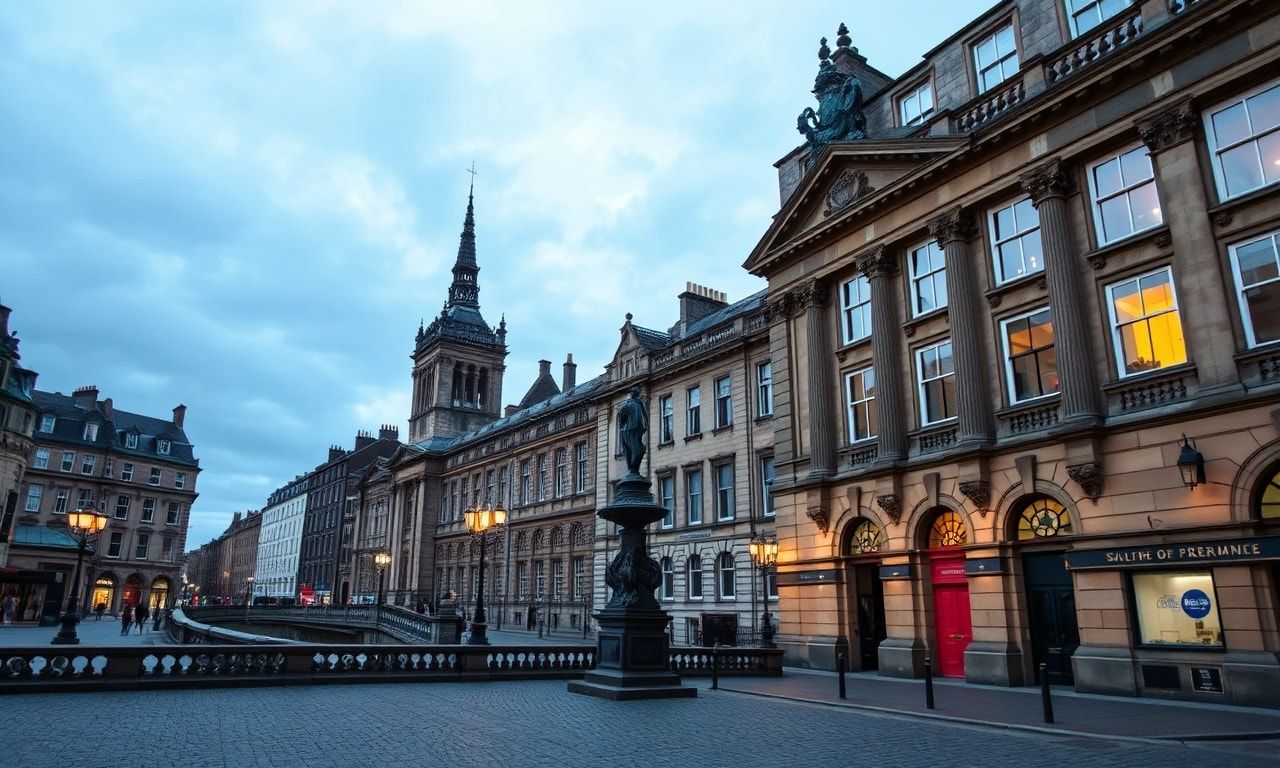
The Transformation of Edinburgh’s Cultural Landscape
Edinburgh, the historic capital of Scotland, is undergoing a significant cultural renaissance. This transformation is not only enhancing the city’s artistic scene but also driving economic growth and attracting tourists from around the world. The city’s rich history, combined with modern innovations, is creating a unique blend that appeals to both locals and visitors.
The Role of Festivals and Events
Edinburgh is renowned for its festivals, with the Edinburgh Festival Fringe being one of the most famous. This annual event attracts performers and audiences from across the globe, contributing significantly to the local economy. In addition to the Fringe, other festivals such as the Edinburgh International Festival, the Royal Edinburgh Military Tattoo, and the Hogmanay celebrations have become major draws. These events not only showcase the city’s cultural vibrancy but also provide a substantial boost to local businesses.
According to recent data, the economic impact of these festivals is staggering. The Edinburgh Festival Fringe alone generates over £150 million for the local economy each year. This influx of visitors and revenue has led to increased investment in infrastructure, further enhancing the city’s appeal as a cultural hub.
New Cultural Venues and Initiatives
The city has seen the opening of several new cultural venues and initiatives aimed at fostering creativity and innovation. The Edinburgh Futures Institute, for example, is a new interdisciplinary research and teaching hub that focuses on addressing global challenges through creative solutions. This institution is part of a broader effort to position Edinburgh as a leader in cultural and economic innovation.
Additionally, the redevelopment of the Edinburgh St. James shopping and leisure complex has introduced new cultural spaces, including galleries, theaters, and performance venues. These developments are not only providing new opportunities for artists and performers but also creating jobs and stimulating economic activity.
The Impact on Tourism
The cultural renaissance in Edinburgh is having a profound impact on tourism. The city has always been a popular destination for its historic sites, such as Edinburgh Castle and the Royal Mile, but the recent focus on cultural events and initiatives is attracting a new demographic of visitors. According to travel destination recommendations 2026, Edinburgh is set to become one of the top travel destinations in the coming years, thanks to its dynamic cultural scene.
Tourism is a vital component of Edinburgh’s economy, contributing over £1 billion annually. The city’s cultural attractions are a major draw for visitors, with many traveling specifically to attend festivals and events. The economic benefits of this tourism are far-reaching, supporting a wide range of businesses, from hotels and restaurants to retail and transportation.
Challenges and Opportunities
While the cultural renaissance in Edinburgh presents numerous opportunities, it also comes with challenges. The influx of tourists and the increased demand for cultural events can put pressure on the city’s infrastructure and resources. However, the city is taking proactive steps to address these challenges, such as investing in sustainable tourism practices and improving public transportation.
Another challenge is ensuring that the benefits of the cultural renaissance are shared equitably across the city. Efforts are being made to involve local communities in cultural initiatives and to support grassroots artists and performers. This inclusive approach is essential for maintaining the city’s cultural diversity and ensuring that the benefits of the renaissance are felt by all.
The Future of Edinburgh’s Cultural Scene
The future of Edinburgh’s cultural scene looks bright. With ongoing investments in cultural venues, festivals, and community initiatives, the city is poised to become an even more significant cultural hub. The focus on innovation and sustainability is likely to attract new visitors and residents, further enhancing the city’s cultural and economic landscape.
As Edinburgh continues to evolve, it is important to balance the preservation of its historic heritage with the embrace of modern cultural trends. This delicate balance will ensure that the city remains a vibrant and dynamic cultural destination for years to come.