
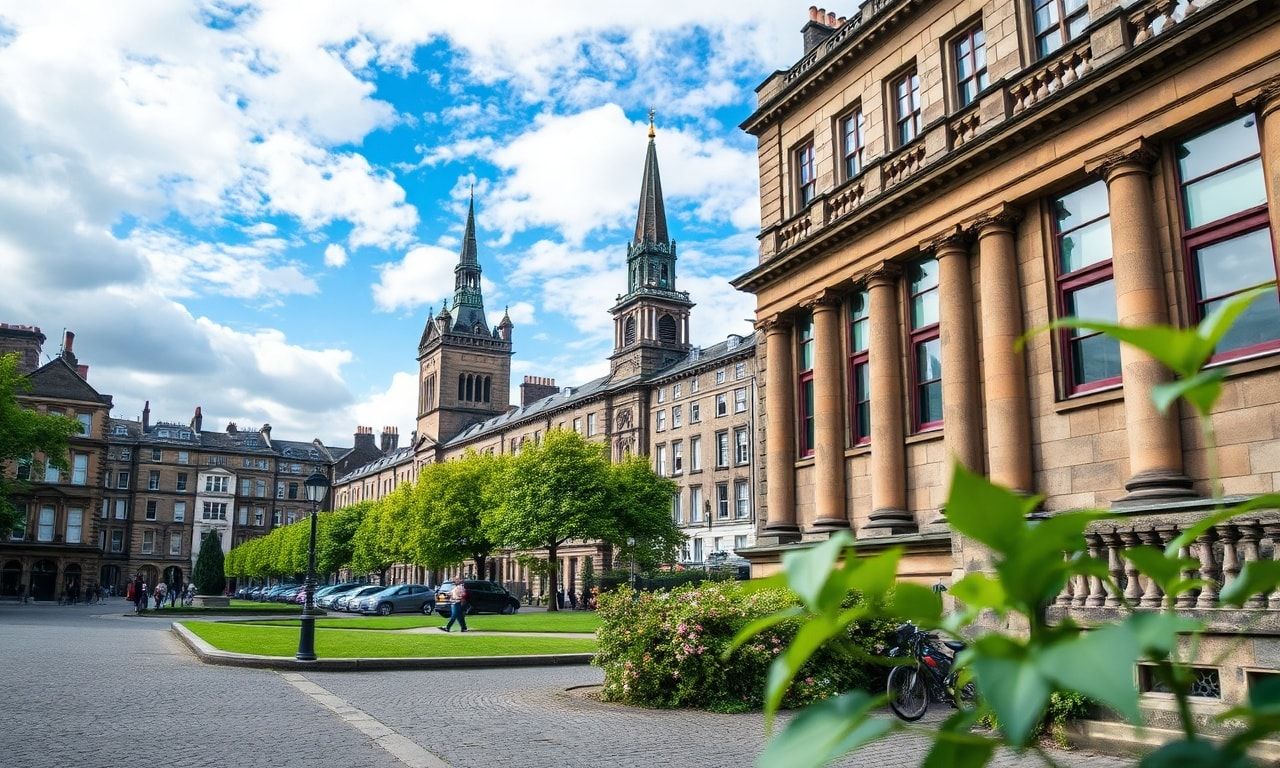
The Green Transition in Edinburgh
Edinburgh, the capital of Scotland, is making significant strides towards a more sustainable future. With a combination of innovative policies, community initiatives, and technological advancements, the city is setting a benchmark for urban sustainability. This article delves into the various aspects of Edinburgh’s green transition, highlighting the key projects and policies that are shaping the city’s environmental landscape.
Renewable Energy Initiatives
One of the cornerstones of Edinburgh’s sustainability efforts is its commitment to renewable energy. The city has been actively promoting the use of wind, solar, and hydroelectric power. The Edinburgh Renewable Energy Strategy aims to increase the share of renewable energy in the city’s energy mix to 50% by 2030. This ambitious goal is supported by various initiatives, including the installation of solar panels on public buildings and the development of community-owned wind farms.
In addition to these large-scale projects, Edinburgh is also encouraging residents to adopt renewable energy solutions in their homes. The city offers grants and subsidies for the installation of solar panels and heat pumps, making it more affordable for homeowners to transition to renewable energy sources. These efforts are not only reducing the city’s carbon footprint but also creating new job opportunities in the green energy sector.
Community Engagement and Education
Community engagement is a crucial aspect of Edinburgh’s sustainability efforts. The city has launched several initiatives to educate and involve residents in the green transition. For instance, the Edinburgh Community Energy Project provides resources and support for community groups interested in developing their own renewable energy projects. This project has already led to the establishment of several community-owned energy schemes, which are not only generating clean energy but also fostering a sense of community ownership and pride.
Education is another key area of focus. Schools and universities in Edinburgh are incorporating sustainability into their curricula, teaching students about the importance of environmental conservation and the role they can play in creating a more sustainable future. The University of Edinburgh, for example, has launched a series of courses and research programs focused on sustainability and renewable energy, attracting students and researchers from around the world.
Sustainable Urban Planning
Edinburgh is also making significant progress in sustainable urban planning. The city’s planning policies prioritize the development of green spaces, pedestrian-friendly streets, and efficient public transportation systems. The Edinburgh City Centre Transformation project, for instance, aims to create a more walkable and cycle-friendly city centre, reducing the need for private car use and promoting sustainable transportation.
One of the most notable projects in this area is the Edinburgh Bio-Dome, a proposed urban park that will feature a range of sustainable design elements, including green roofs, rainwater harvesting systems, and renewable energy installations. The Bio-Dome will not only provide a recreational space for residents but also serve as a living laboratory for sustainable urban design, showcasing innovative solutions for creating more resilient and sustainable cities.
The Role of Technology
Technology plays a crucial role in Edinburgh’s sustainability efforts. The city is leveraging advanced technologies such as smart grids, IoT sensors, and data analytics to optimize energy use, reduce waste, and improve the overall efficiency of urban systems. For example, the Edinburgh Smart City project is using IoT sensors to monitor air quality, traffic patterns, and energy consumption in real-time, providing valuable data for city planners and policymakers.
In addition to these technological advancements, Edinburgh is also promoting the use of sustainable materials in construction and design. The city’s Building Standards Division has developed guidelines for sustainable construction, encouraging the use of eco-friendly materials and energy-efficient design principles. These guidelines are helping to create a more sustainable built environment, reducing the city’s environmental impact and improving the quality of life for residents.
Challenges and Future Prospects
Despite the significant progress made, Edinburgh still faces several challenges in its journey towards sustainability. One of the main challenges is the need for continued investment in green infrastructure and technologies. While the city has made substantial progress, more funding is needed to support the development of large-scale renewable energy projects, sustainable transportation systems, and green urban spaces.
Another challenge is the need for greater public engagement and participation. While many residents are actively involved in sustainability initiatives, there is still a need to reach a broader audience and encourage more people to adopt sustainable practices in their daily lives. This requires ongoing education and outreach efforts, as well as the development of policies and programs that make it easier for residents to make sustainable choices.
Looking ahead, Edinburgh has set ambitious targets for reducing its carbon emissions and increasing its use of renewable energy. The city’s Climate Change Strategy aims to achieve net-zero carbon emissions by 2030, a goal that will require significant efforts from both the public and private sectors. However, with the right policies, technologies, and community support, Edinburgh is well on its way to becoming a model of urban sustainability.
Inspiration from Other Cities
Edinburgh’s sustainability efforts are not happening in isolation. The city is part of a global network of cities that are working towards similar goals. By sharing best practices, collaborating on research projects, and learning from each other’s experiences, Edinburgh is able to benefit from the collective knowledge and expertise of cities around the world. For instance, the city has been inspired by the work of other European cities such as Copenhagen and Stockholm, which have made significant progress in sustainable urban planning and renewable energy.
In addition to learning from other cities, Edinburgh is also sharing its own experiences and innovations. The city’s sustainability initiatives have attracted international attention, with delegations from other cities visiting Edinburgh to learn about its green transition. This exchange of knowledge and expertise is helping to accelerate the global transition towards sustainability, creating a more resilient and sustainable future for all.
Conclusion
Edinburgh’s journey towards a sustainable future is a testament to the power of innovation, community engagement, and policy leadership. Through its renewable energy initiatives, sustainable urban planning projects, and technological advancements, the city is setting a new standard for urban sustainability. While challenges remain, Edinburgh’s commitment to its sustainability goals, along with the support of its residents and the global community, will ensure that it continues to make significant progress in the years to come. For those interested in exploring more about sustainable living, resources like 2026 yılının en trend yatak odası dekorasyonu offer innovative ideas for creating eco-friendly living spaces.